Source: superostmk.live
Introduction:
India’s coastal waters teem with life, and among its riches are mussels, a delicious and sustainable source of seafood. With traditional harvesting giving way to modern farming techniques, let’s dive into the world of mussel farming in India.
Source: icar
Mussel Farming: A Seafood Adventure
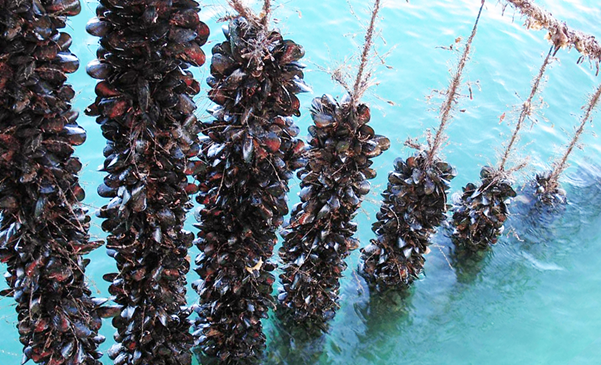
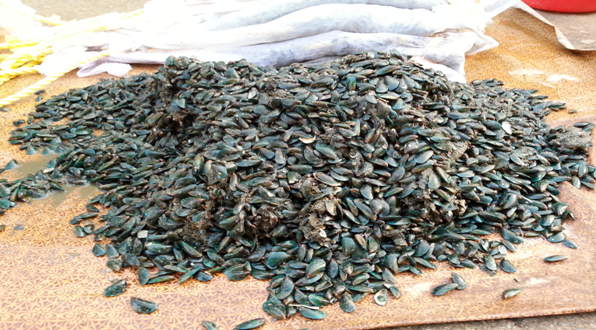
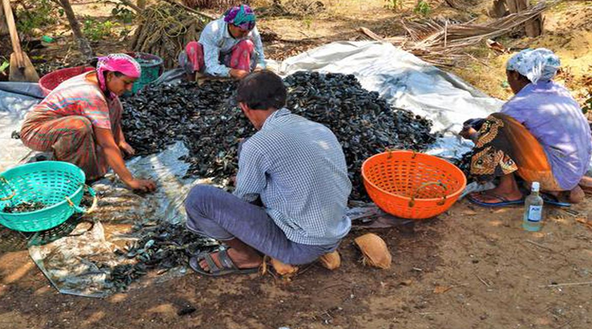
Mussels, those tough little mollusks, thrive along India’s shores, with Perna viridis and Perna indica leading the pack. Farming these gems isn’t a one-size-fits-all endeavor. Instead, it’s a journey of adaptability, using different methods like rafts, racks, and long lines to grow mussels in different waters.
Yet, this journey isn’t without challenges. Relying solely on wild mussels for farming isn’t sustainable, so hatchery technologies step in to produce seeds. Institutions like the Central Marine Fisheries Research Institute (CMFRI) lead the charge, making low-cost seed production a reality.
Source: the hindu
Conclusion:
Mussel farming offers a ray of hope in our quest for sustainable seafood. With smart farming and a commitment to our oceans, the future looks bright for mussel farming in India, promising plenty of tasty treats while keeping our seas healthy.
Frequently Asked Questions (FAQs)
Which mussel species are commonly farmed in India?
India primarily farms two mussel species: Perna viridis and Perna indica. P. viridis is found along the north and south of the east coast and the southwest coast, while P. indica dominates the southwest coast.
What methods are used for mussel farming in India?
Mussel farming in India utilizes diverse methods, including rafts for bays and inshore waters, racks for brackish waters and estuaries, and long lines for the open sea.
Why is seed production important for mussel farming?
Seed production is crucial because relying solely on wild mussel populations for farming can strain natural stocks. Hatchery technologies are employed to produce seeds in a cost-effective manner, ensuring sustainability in mussel farming practices.
How does mussel farming promote environmental sustainability?
Mussel farming alleviates pressure on wild mussel populations and enhances water quality by filtering organic matter. This process contributes to ecosystem health and sustainability.
What role does research play in advancing mussel farming in India?
Research institutions like the Central Marine Fisheries Research Institute (CMFRI) drive innovations in mussel farming. They develop new technologies for seed production, farming techniques, and environmental management, ensuring industry sustainability and progress.